

Building an AI startup: Discussion with Tomáš Gogár (Rossum) and Martin Schmid (Equilibre).


Michala Gregorová
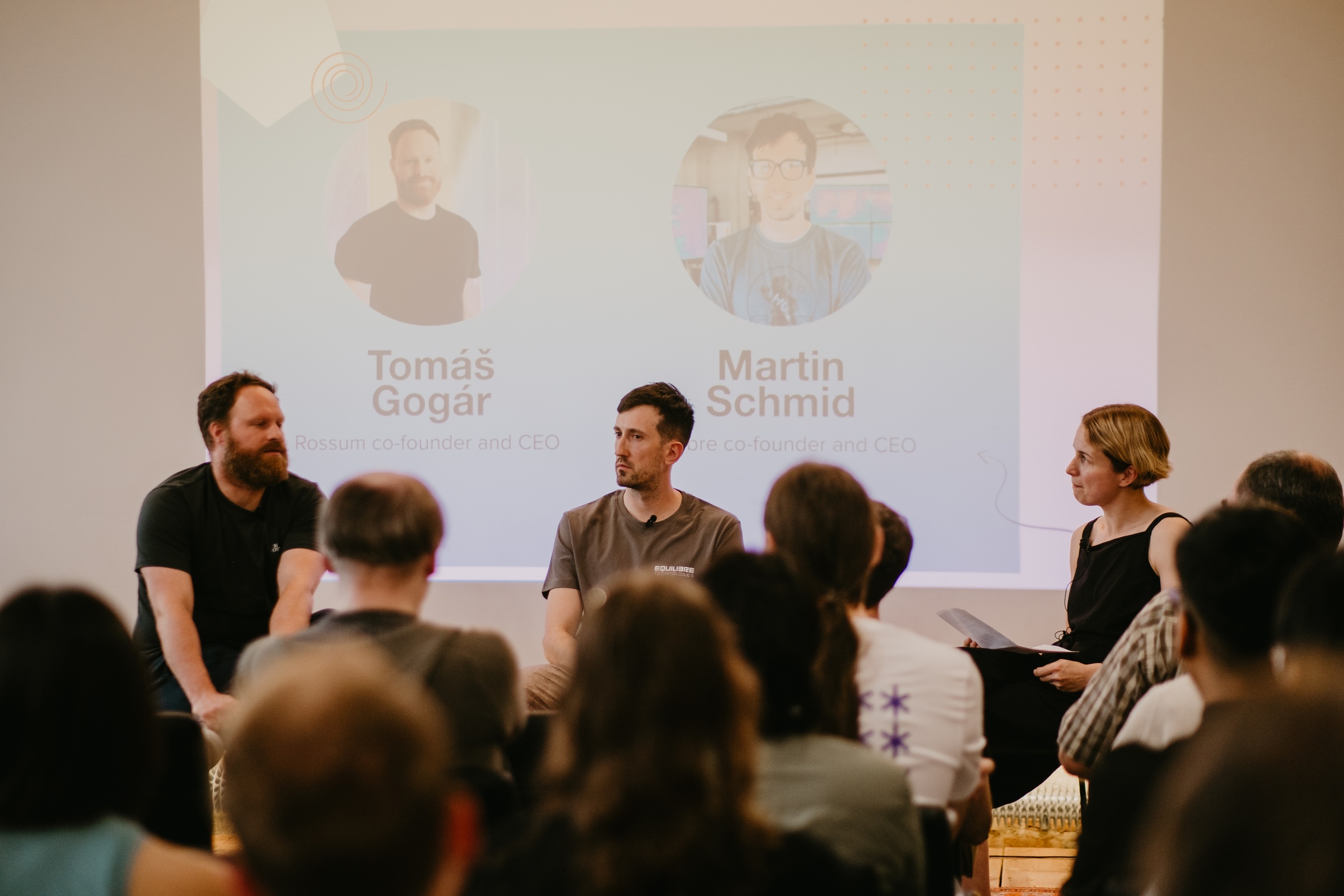
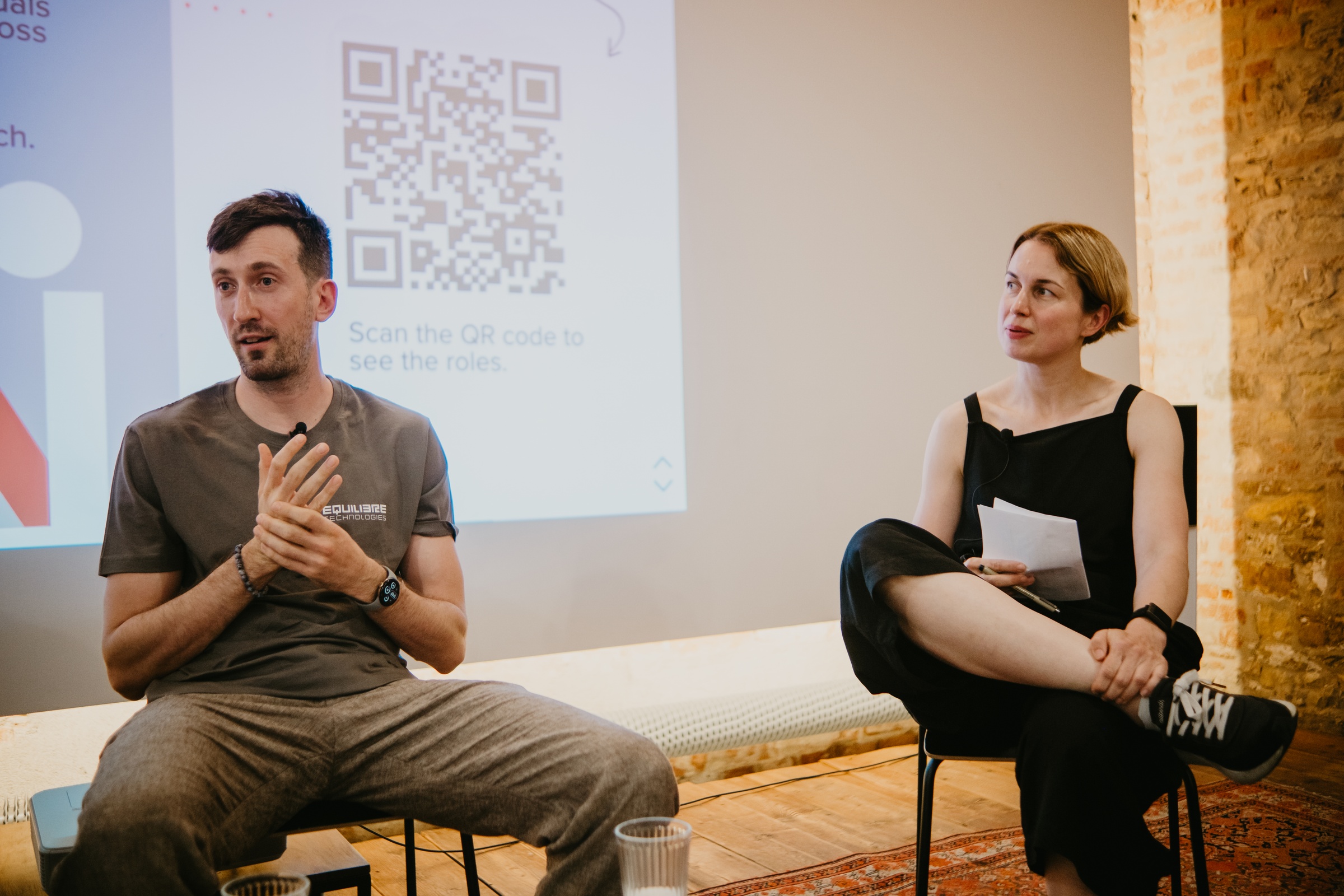
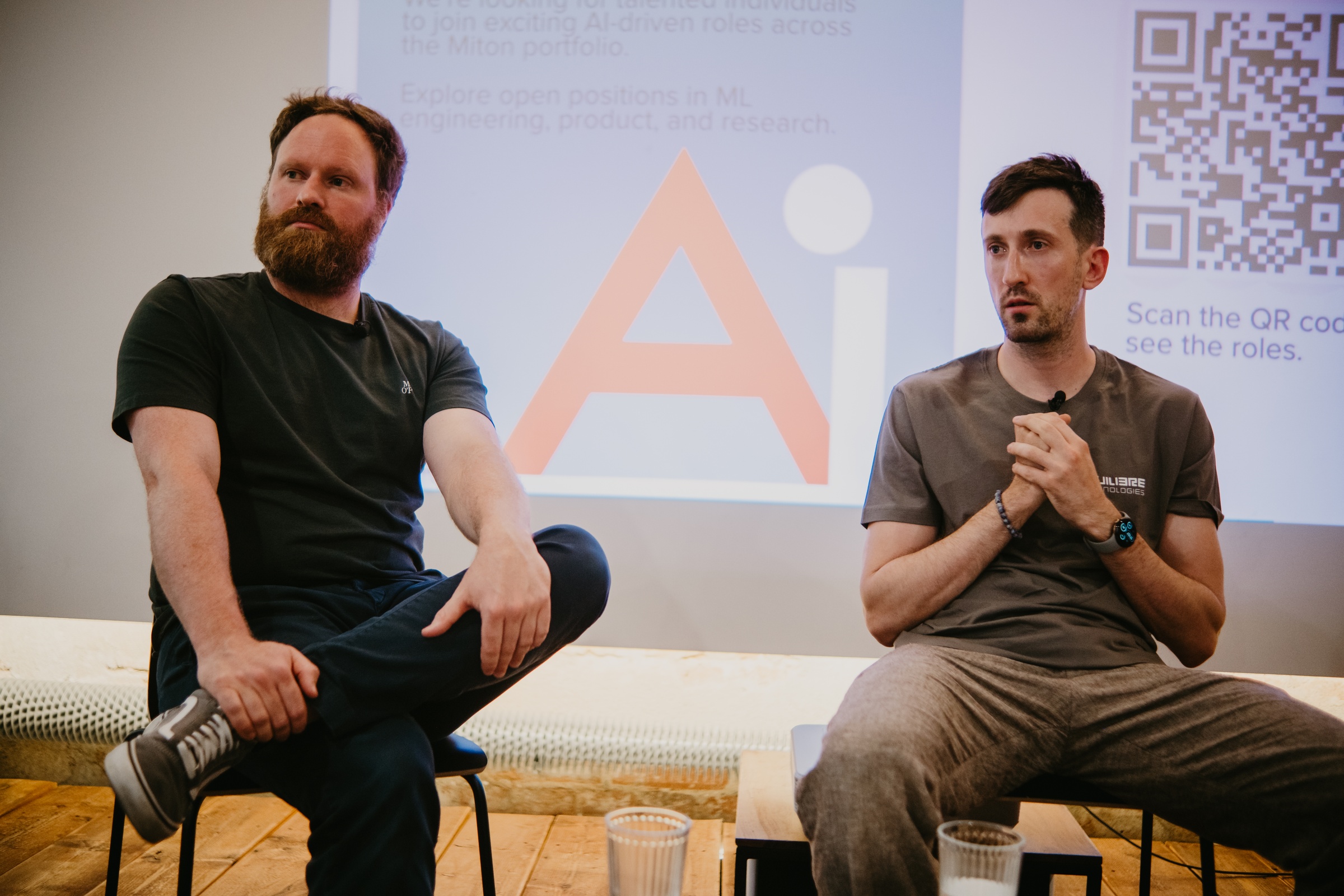
The guests of the Miton AI Times event were Tomáš Gogár (co-founder and CEO of Rossum) and Martin Schmid (co-founder and CEO of Equilibre), who joined to discuss the challenges of building an AI startup.
Rossum is an end-to-end automation platform with AI-powered intelligent document processing, founded in 2017 by PhD dropouts Tomáš Gogár, Petr Baudiš, and Tomáš Tunys. Rossum has raised a total of $110 million in funding.
Equilibre (founded in 2022) is building an algorithmic trading platform based on game theory and reinforcement learning. Martin Schmid is the co-creator of DeepStack, the first AI to defeat human players in no-limit poker. After securing the largest Czech pre-seed round ($6M) from Credo Ventures, Miton, and RockawayX, Equilibre raised an additional $10 million last year.
Rossum and Equilibre have a lot in common. They both started out as AI startups in Prague, grew over time, and have multiple co-founders. Above all, they have had similar experiences with hiring and investors, which they discussed in the debate.


So what are the essentials to consider when starting your AI business? Both Martin and Tomáš agree that your driver should be internal and not do it just for the sake of money. „If AI is not something you are particularly interested in, there are probably better areas to compete in,“ they agree.
„What you essentially do is that you try to understand and solve a problem. Going after a problem and understanding it can have the same value, maybe even more than just the AI part. Too many people these days want to use AI for their problem but don't know how. What's important today is somebody who understands both the problem and the AI, and that's very unique,“ says Tomáš Gogár.


Martin recommends a checklist with good answers to: Why me? Why this team and idea? Why now?
When it comes to hiring, they both agree that talent is the most important factor. Talent can usually be spotted during the recruitment process. „Some people are either technical or product engineers, but we need people who are both,“ says Tomáš.
Another important aspect of launching start-ups is securing investment. According to Gogár and Schmid, good investors know when to provide support and when to refrain from doing so.


Both co-founders started out in Prague. But is location really that important when starting a business? While Gogár does not consider location to be a parameter leading to success, Schmid believes that Prague is a good location because it is full of talented people. However, it is important to combine local talent with experienced people from abroad.
The discussion continued with a list of practical tips and insights. Check out the full video or podcast in your favourite app!
Content of the interview with Tomáš Gogár and Martin Schmid
00:00 Start of debate and introduction of guests
01:24 How AI has influenced business and what led Tomáš and Martin to start their companies.
09:40 Is it sensible to launch an AI start-up in 2025?
15:13 Is it a good idea to have two co-founders, and how should you choose the right team?
23:57 Hiring senior vs. junior people: what qualities and talents should they have?
30:24 How to choose an investor, especially at the beginning, and why start a business in Prague?
42:35 Questions from the audience


Share


Of further interest


Miton is investing in ACE. "Strava but for padel" is already used by more than half of Czech players.
(Press Release) Padel is the fastest-growing sport in the world. Tomáš Hodboď is a partner at Miton who, as CEO, built the billion-crown companies Glami and Heureka and was also behind the success of Donio. Jiří Diblík built and sold VOS.health, in which Miton was an investor. Both play padel, often together.


The Best AI Agent Will Know When to Stay Quiet
I looked at a hundred startups trying to improve how humans interact with AI. How will we communicate with agents once they break free from the text chat?



What will AI-powered shopping look like? Glami and Biano join forces and test new answers
(Press Release) Two leading Czech search engines from Miton's portfolio, fashion-focused Glami and furniture-focused Biano, are entering a new chapter. As of March 2026, both companies are led by a single CEO, Peter Hupka, who previously headed Biano. Both companies hold normalized data on millions of products data that large language models lack and aim to build on this foundation to develop a new generation of online product discovery tools.