

What’s New: June 2019


Michala Gregorová
Our regular summary of the past month prepared for Miton’s founders. GLAMI is now in 15 countries, Grason and Qerko have joined the family, and Driveto was featured on Czechcrunch.


Forbes has announced its Top 10 Czech startups in 2019. Whatever the criteria, we are thrilled that the list includes Rohlik.cz at number 3, Rossum at number 4 and Twisto at number 8.
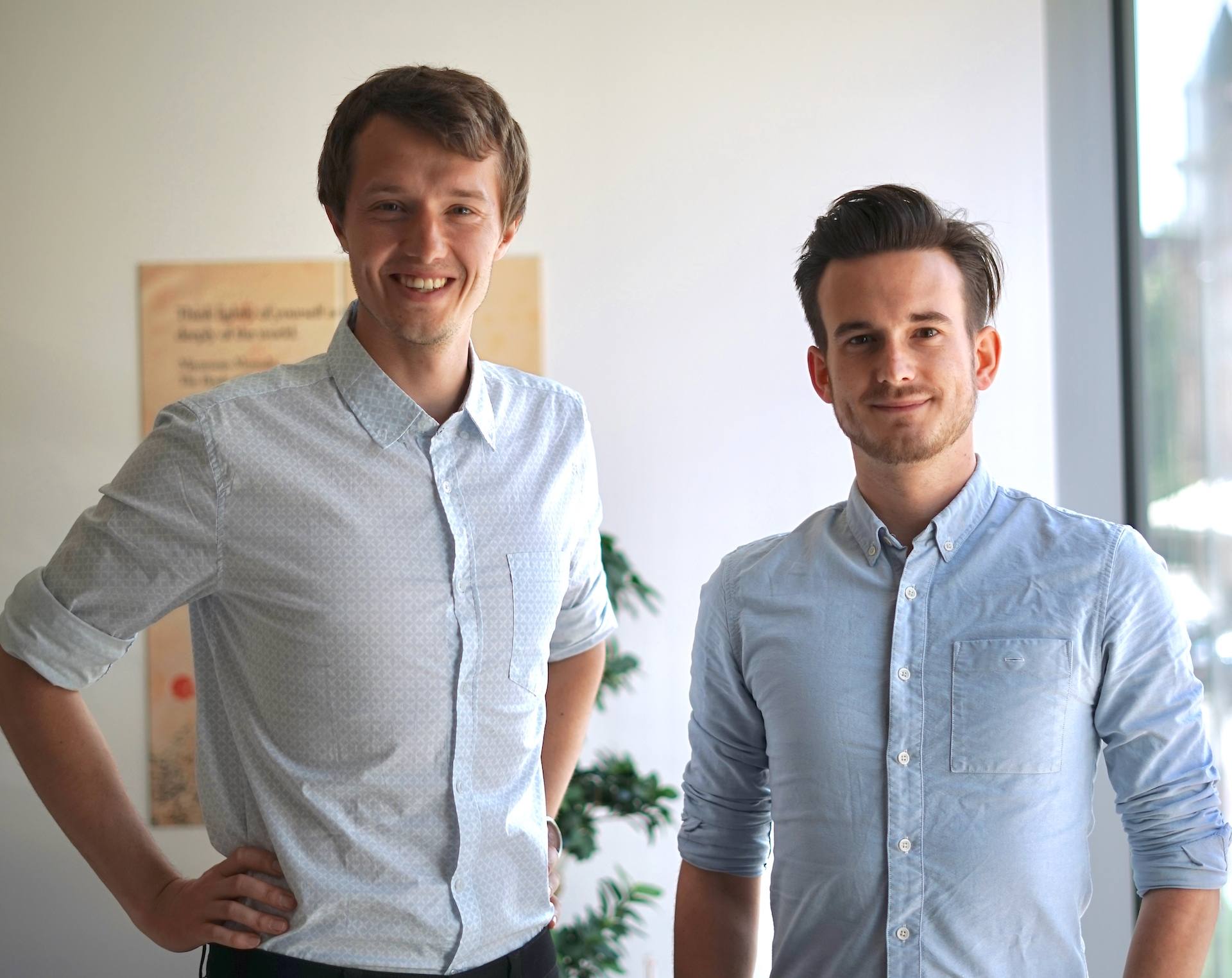
Sometimes PR is a little behind reality and sometimes a bit ahead, especially when it comes to numbers. Miton has been supporting Grason and Querko since the beginning and we are now honoured to welcome them officially. For a bit of a refresh of this exciting news, the formal announcement includes a different photograph of Milan and Jarmila than the one we included in our press release.
Gradually we are creating detailed profiles of ‘our’ companies on our new website. Currently, you can check out Bonami, GLAMI, StartupJobs and UlovDomov. Other profiles are coming soon.


In June GLAMI announced entry into three new countries, increasing the number of countries in which they are operating to 15. At least that’s what their press release says – the number changes depending on whom you ask.
Recommended reading and listening:
- “Getting a car in the online era” – interview with Adam Szabó on Czechcrunch.
- Twisto celebrates its sixth birthday with a long reflection. We hope that the invite to their birthday party is on its way. Congratulations Twisto!
- One more substantial text for your summer reading: Mary Meeker’s report on Internet trends in 2019 presented in 333 slides.
- At Miton we love podcasts, so we are thrilled about GoOut’s two new podcast series. The second episode of ‘Started from the Bottom’ features Ben Cristovao, so you can be sure of interesting content. And because it can be a bit tricky to find podcasts on Spotify, we are including links to both series: Started from the Bottom and Trailer.
- Two more podcasts that got lots of airtime at Miton in June: conversations with Naval Ravikant on The Tim Ferris Show and The Knowledge Project – both excellent. A concentrated dose of life wisdom :)
Share


Of further interest


-JRgQ.avif)
The Best AI Agent Will Know When to Stay Quiet
I looked at a hundred startups trying to improve how humans interact with AI. How will we communicate with agents once they break free from the text chat?


What will AI-powered shopping look like? Glami and Biano join forces and test new answers
(Press Release) Two leading Czech search engines from Miton's portfolio, fashion-focused Glami and furniture-focused Biano, are entering a new chapter. As of March 2026, both companies are led by a single CEO, Peter Hupka, who previously headed Biano. Both companies hold normalized data on millions of products data that large language models lack and aim to build on this foundation to develop a new generation of online product discovery tools.


What happened: Fall/Winter 2025
The second half of the year, like the whole year (and the two previous ones as well), was marked by AI. This year will be no different. There will be a lot of AI in this summary too. But we’ll also add a bit of crypto and psychedelics.